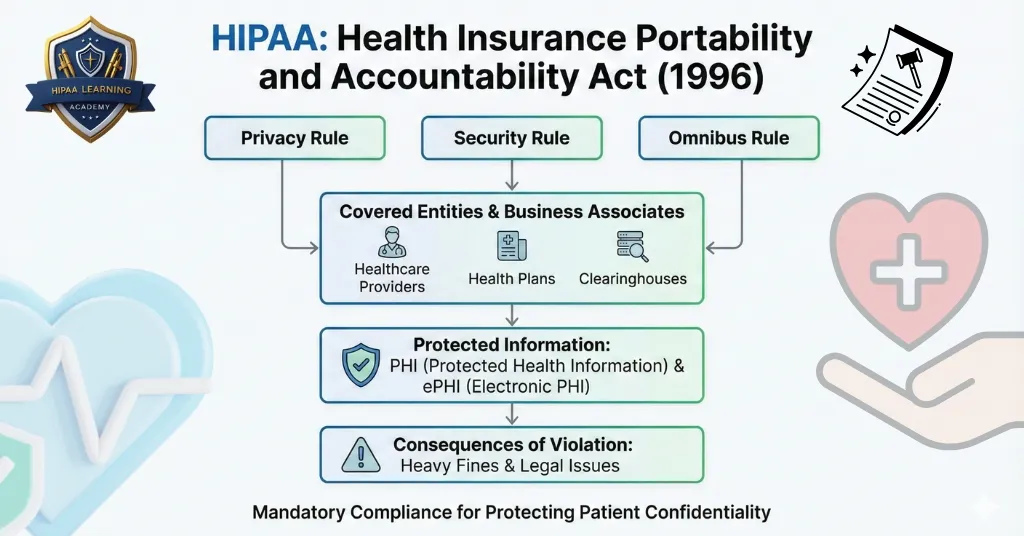
The Health Insurance Portability and Accountability Act (HIPAA) sets several significant patient rights under HIPAA, which aim to empower people with the control over their health information that is confidential. Such rights serve to increase the confidence of patients, to make the process more open, and to obligate healthcare providers to observe the mandatory requirements of HIPAA compliance.
First of all, this article is about the three basic rights under the HIPAA Privacy Rule access, amendments, and limitations and their relevance to present-day healthcare organizations.
1. The HIPAA Right of Access

The HIPAA right of access is the main way that ensures patients are entitled to check and get copies of their medical records. This is the most common patient information rights that patients ask for, and a provider who wants to be compliant with healthcare privacy law must absolutely deliver it.
What Information Can Patients Access?
Under the PHI access rules, patients may retrieve:
- Medical records
- Billing and insurance information
- Lab results and imaging
- Medication lists
- Clinical notes
- Care plans
This is the case no matter if the data are kept on paper, digitally, or in an EHR.
How Quickly Must Providers Respond?
Within 30 days covered entities are obliged to respond to medical record access requests, and they are allowed one 30-day extension. Several states have set quicker deadlines, therefore providers should have well-defined HIPAA compliance instructions in their policies.
Are Fees Allowed?
Yes reasonable, cost-based fees may be charged for:
- Labor involved in copying
- Materials (paper, USB drive, CD)
- Postage
Providers may not add retrieval fees or delay access by requiring portal use.
Common Violations
Violations occur when practices:
- Delay requests beyond the 30-day limit
- Charge excessive fees
- Fail to provide electronic copies
- Wrongfully deny access
Under the federal HIPAA enforcement initiative, these issues can lead to costly penalties.
2. The Right to Request an Amendment

Patients have the right to request updates to information they believe is incomplete or incorrect. This patient amendment right ensures accuracy and reduces the risk of medical errors.
Examples of Valid Amendments
Patients may request the following corrections:
- Incorrect contact information
- Medical history that has been misdocumented
- Dates or diagnoses that have been wrong
- Allergy lists that have been incomplete
- Medication errors
Such changes facilitate the accurate updating of medical records and protect patients from receiving incorrect treatment based on outdated information.
Provider Responsibilities
Medicalproviders have just 60 days to respond to an amendment request and can additionally seek a single 30-day extension. In case a refusal is made, the involved parties have to comply with proper HIPAA documentation requirements and send a denial letter written in the form of correspondence.
Legitimate Grounds for Refusing an Amendment
A denial is allowed if the information:
- Is accurate and complete
- Was not created by the provider
- Is not part of the designated record set
- Is excluded from PHI (e.g., psychotherapy notes)
Patients may still file a statement of disagreement, which becomes part of their record under healthcare privacy protections.
3. The Right to Request Restrictions

The HIPAA restrictions right allows patients to request limits on how their PHI is used or disclosed for treatment, payment, or healthcare operations.
When Providers Must Accept a Restriction
Providers must honor a restriction when:
- A patient pays out-of-pocket in full
- The patient requests that the provider not share PHI with their insurer
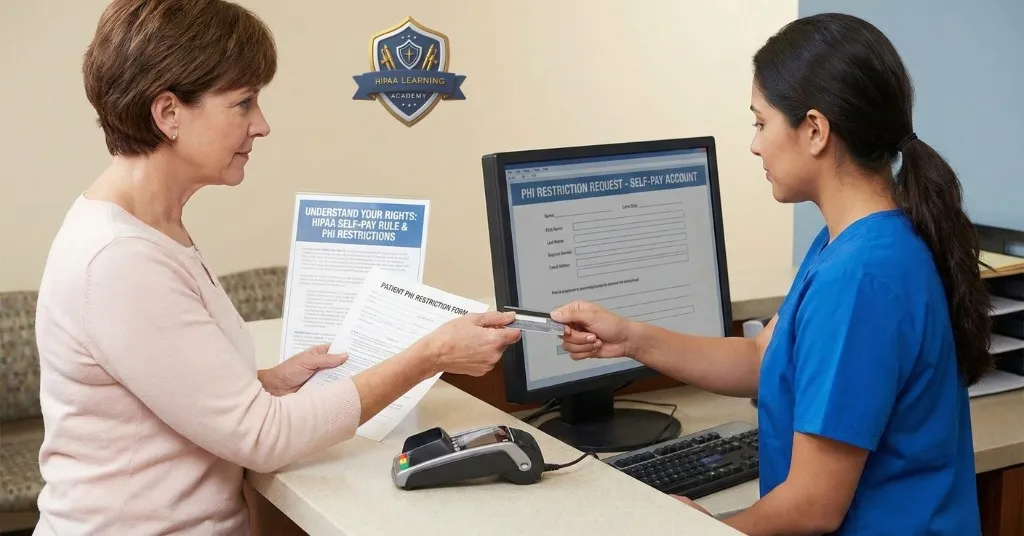
This requirement known as the HIPAA self-pay rule is a critical part of modern PHI privacy protections.
Examples of Restriction Requests
Patients may request that:
- PHI not be shared with family members
- Sensitive services be withheld from insurance
- Communications be delivered via secure messaging
- Text or phone reminders be limited
Provider Best Practices
Healthcare organizations should:
- Document PHI restriction requests
- Flag restrictions in the EHR
- Train staff on privacy protocols
- Update internal workflows to support patient privacy rights
Ignoring required restrictions can lead to major HIPAA compliance violations.
Why These HIPAA Patient Rights Matter
Respecting patient privacy rights is one of the ways that trust is being built and it also helps to ensure that there is compliance with federal healthcare privacy laws.
Accurate and accessible records facilitate:
- Better patient care
- Less chance of medical errors
- Improved doctor–patient communication
- Transparency being facilitated
- Allowing patients to have control over their protected health information
With the growth of digital health, it is very important to know how one can access electronic PHI securely and communicate in a safe way.
HIPAA Compliance Tips for Healthcare Providers
To be aligned with the HIPAA conformity regulations, organizations should:
Inform employees about the requirements of the HIPAA Privacy RuleMaintain very clear and simple-to-understand procedures for access, amendments, and restrictionsChange operating instructions regarding electronic and paper PHIApply encryption to the devices that store care informationPerform compliance audits regularlyProvide information about the rights of patients under HIPAA
Adhering to the law in a proactive manner puts one very close to being able to prevent a violation and thus make the patient’s trust grow.
Conclusion
Every healthcare organization must be acquainted with HIPAA patient rights which incorporate the right of access, the right to request amendments, and the right to request restrictions. Such rights give patients more power, heighten healthcare results, and enable providers to keep up with strong HIPAA compliance.
Healthcare providers, through the implementation of good privacy measures and the observance of these vital PHI access regulations, can ensure the security of patient data while fulfilling their legal and moral duties.